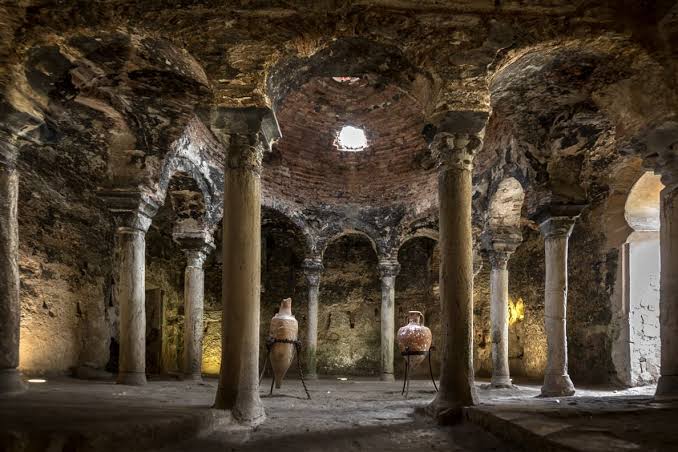
The Arab Baths
A tenth-century hammam dome on twelve reused columns, each capital different, and a walled orange garden.
A tenth-century hammam dome on twelve reused columns, each capital different, and a walled orange garden.
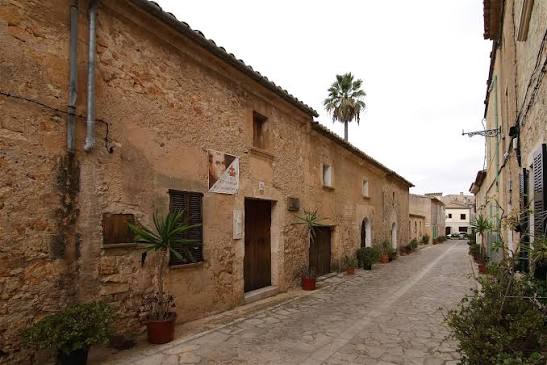
The birthplace of the Franciscan who founded the California missions from San Diego to San Francisco.
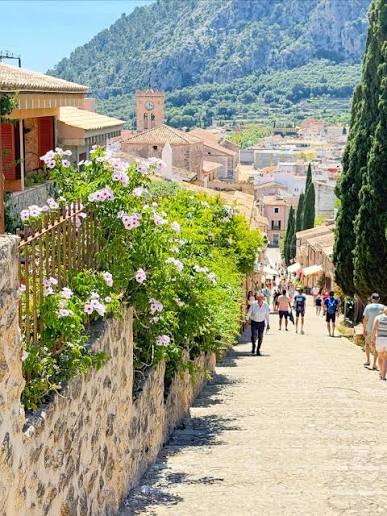
365 cypress-flanked steps to an eighteenth-century chapel. Free, always open. The Good Friday torchlit descent is the most affecting religious event on the island. Note that the Pont Romà is Roman by tradition rather than by evidence — most likely medieval on a Roman line.
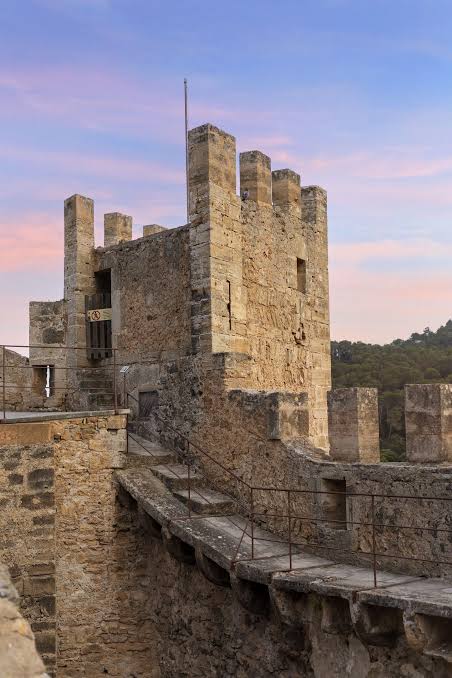
A complete fourteenth-century walled hill town built to gather a scattered population against corsairs, and you walk the ramparts the whole way round.
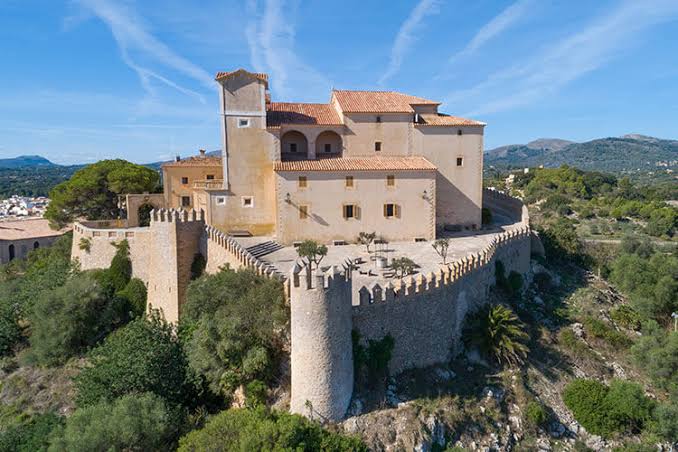
A Moorish-origin fortified enclosure with metre-thick walls and seven watchtowers, up 180 cypress-lined steps from the parish church.
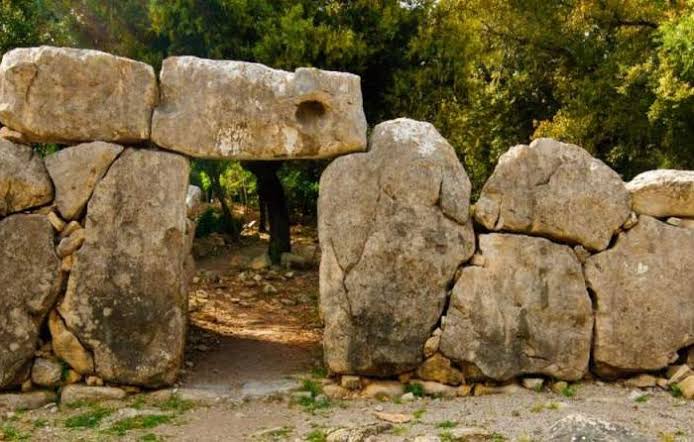
One of the best-preserved Talayotic settlements on the island, around 850 BC: a 374-metre cyclopean wall and a monumental trilithic gateway.
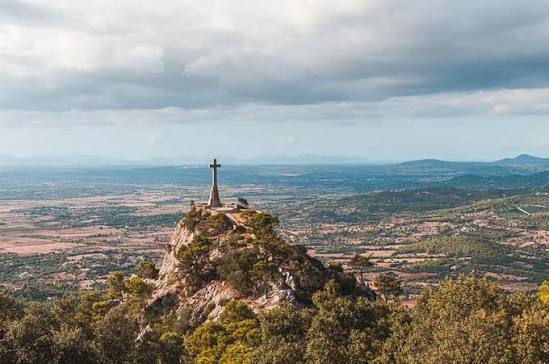
The only free-standing mesa on the plain, where Ramon Llull retreated around 1275. Free, with a restaurant and a 360-degree view of the whole island from Palma bay to Alcúdia. Ask at the restaurant for the key to Llull’s meditation cave. Late afternoon into sunset.
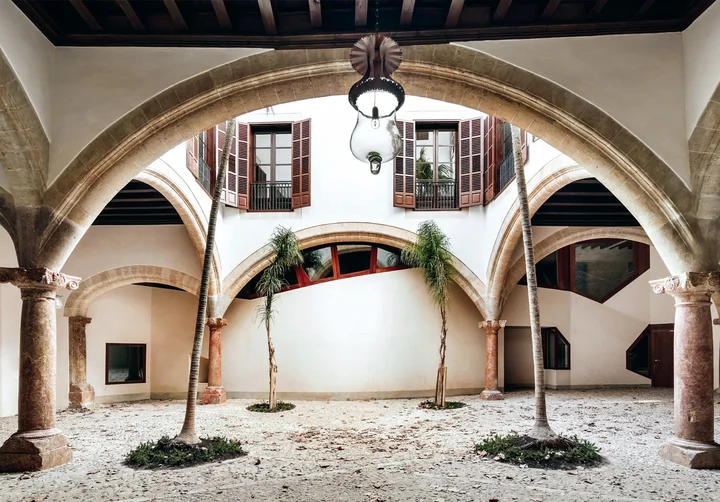
The best free half-hour in Palma: an eighteenth-century townhouse with its original furniture and one of the finest courtyards in the city.
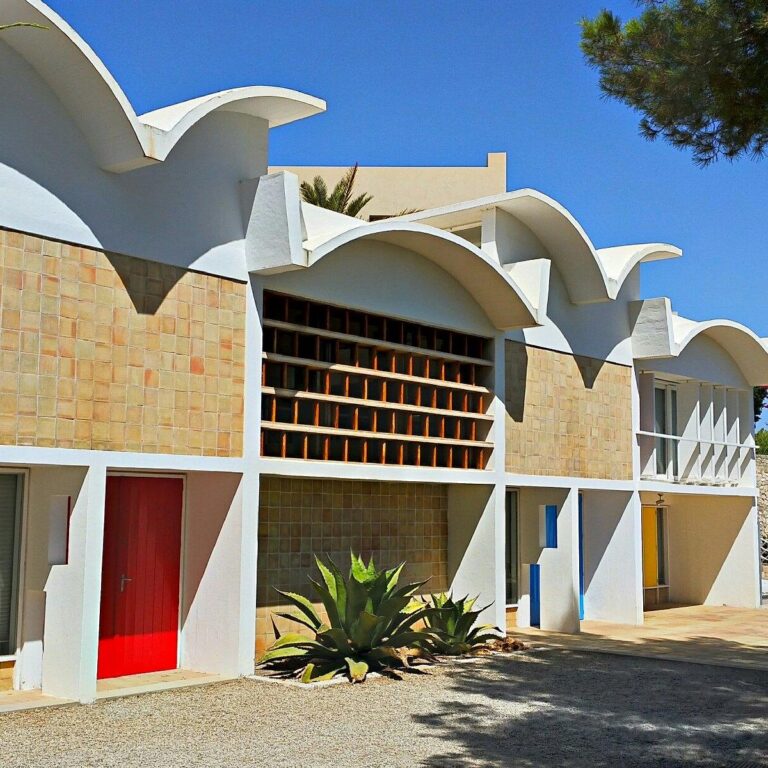
His own studios kept as he left them, with charcoal drawings straight onto the walls of the farmhouse.
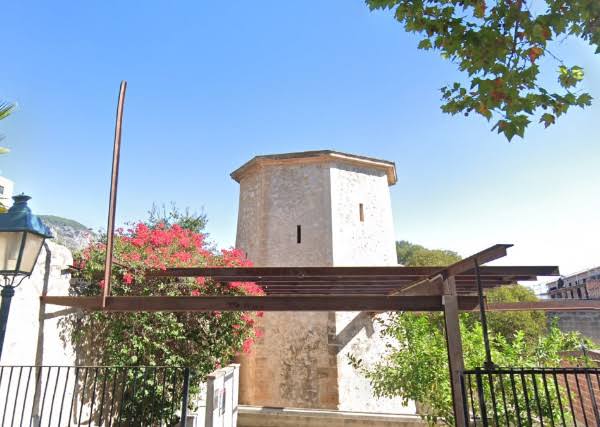
On 15 August 1901, for the patronal fiestas, the brothers Gaspar and Josep Perelló Pol switched on a generating station they had built with their own money, fired by lignite from the Alaró mines, and lit the village before Palma. Crowds came out from the city to look at it. The power station tower still […]